
Why sourdough is simply better.
Sourdough is an amazing feat of culinary science. It takes grains of wheat which are otherwise minimally digestible and using the power of natural enzymes and time, those grains are broken down to release all the goodness inside.
In fast-made bread, that work is left up to your gut which doesn’t have the biological equipment needed to access the tightly packed vitamins and minerals locked inside wheat grains.
Fortunately, humans discovered wild fermentation - a win for digestion and gut microbiomes.
In addition to unlocking essential minerals and making vitamin absorption easier, the slow-fermentation process used at Kapiti Delicious Doughs produces enzymes which pre-digest gluten molecules saving your gut from having to do the job.

Have you always wanted to be a bread nerd?
Read on!
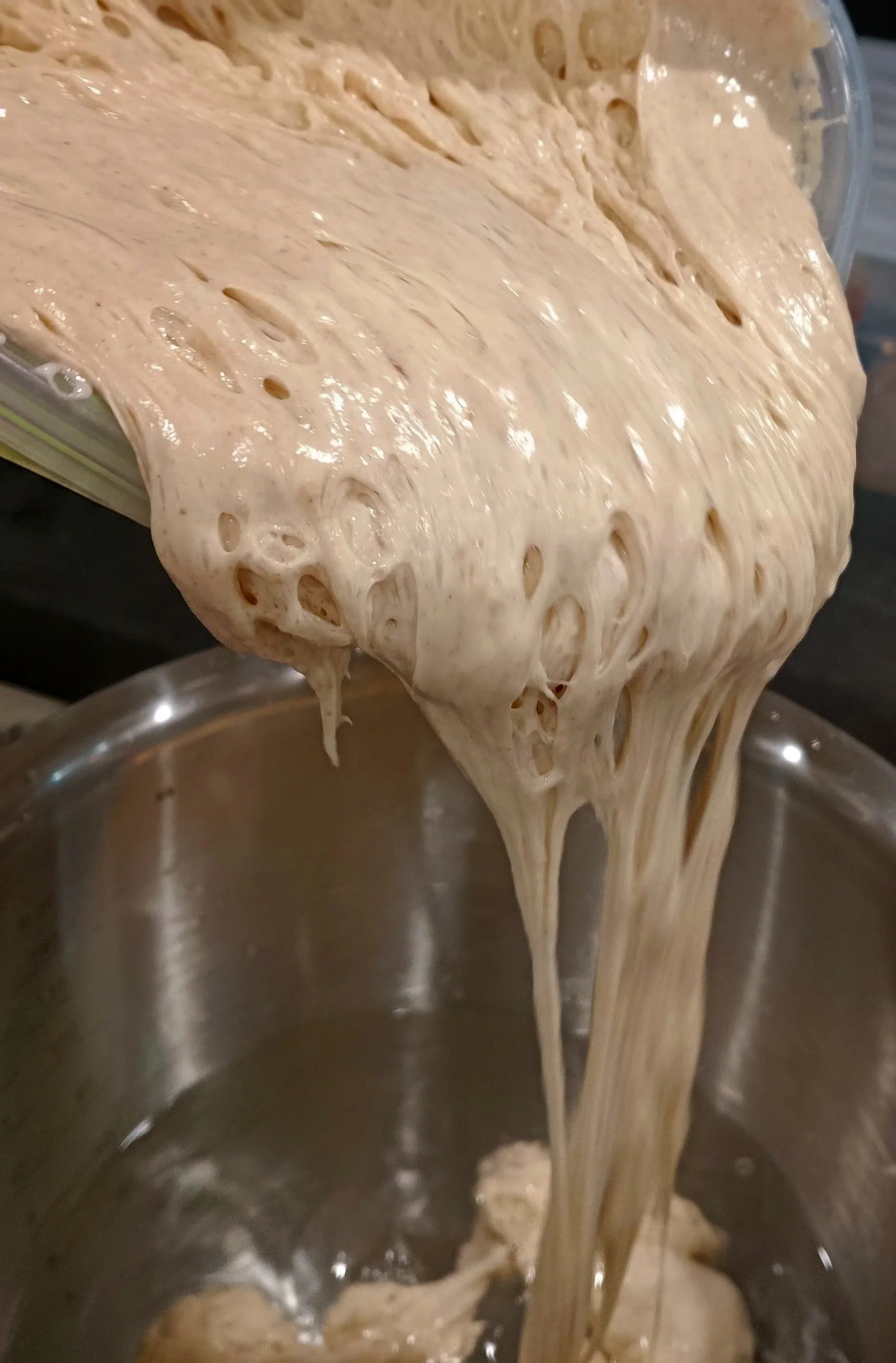
Let’s get sciencey!
All yeast-risen wheat bread is developed by feeding yeast (natural or introduced) with carbs. The yeast, in turn, releases carbon dioxide gas (much like humans do when breathing) along with ethanol. The carbon dioxide forms bubbles in the dough.
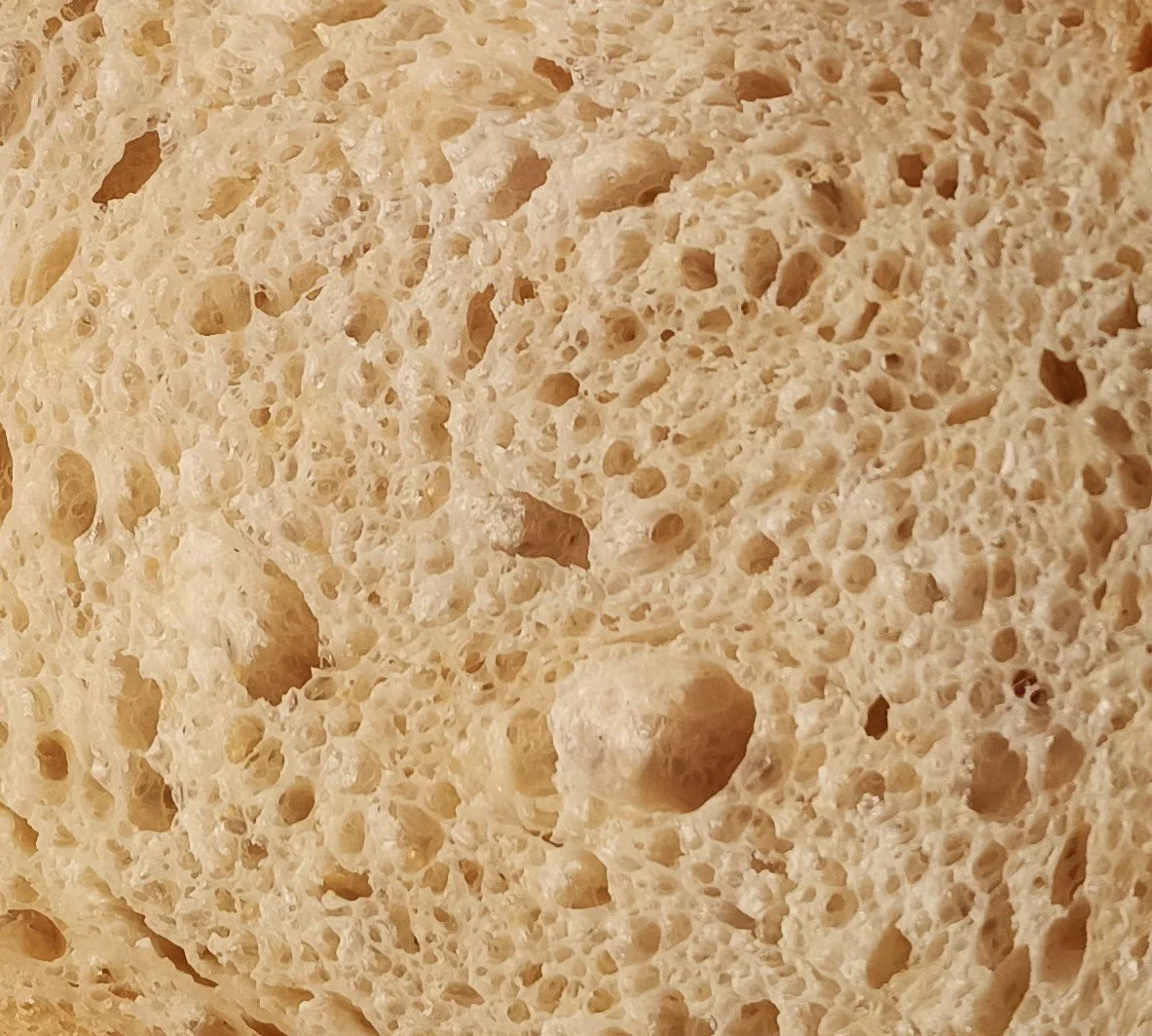
Separate from that process, as the dough is hydrated and kneaded, gluten is “developed” (becomes long stretchy protein chains). This network of stretchy chains acts like the skin of balloons and traps the gas coming from the yeast. The more gas trapped and the thinner the balloon skin, the lighter the loaf.
Baking the dough in a hot oven sets this bubbly structure as the proteins become firm. Chemically speaking, finished bread is a “set foam”.
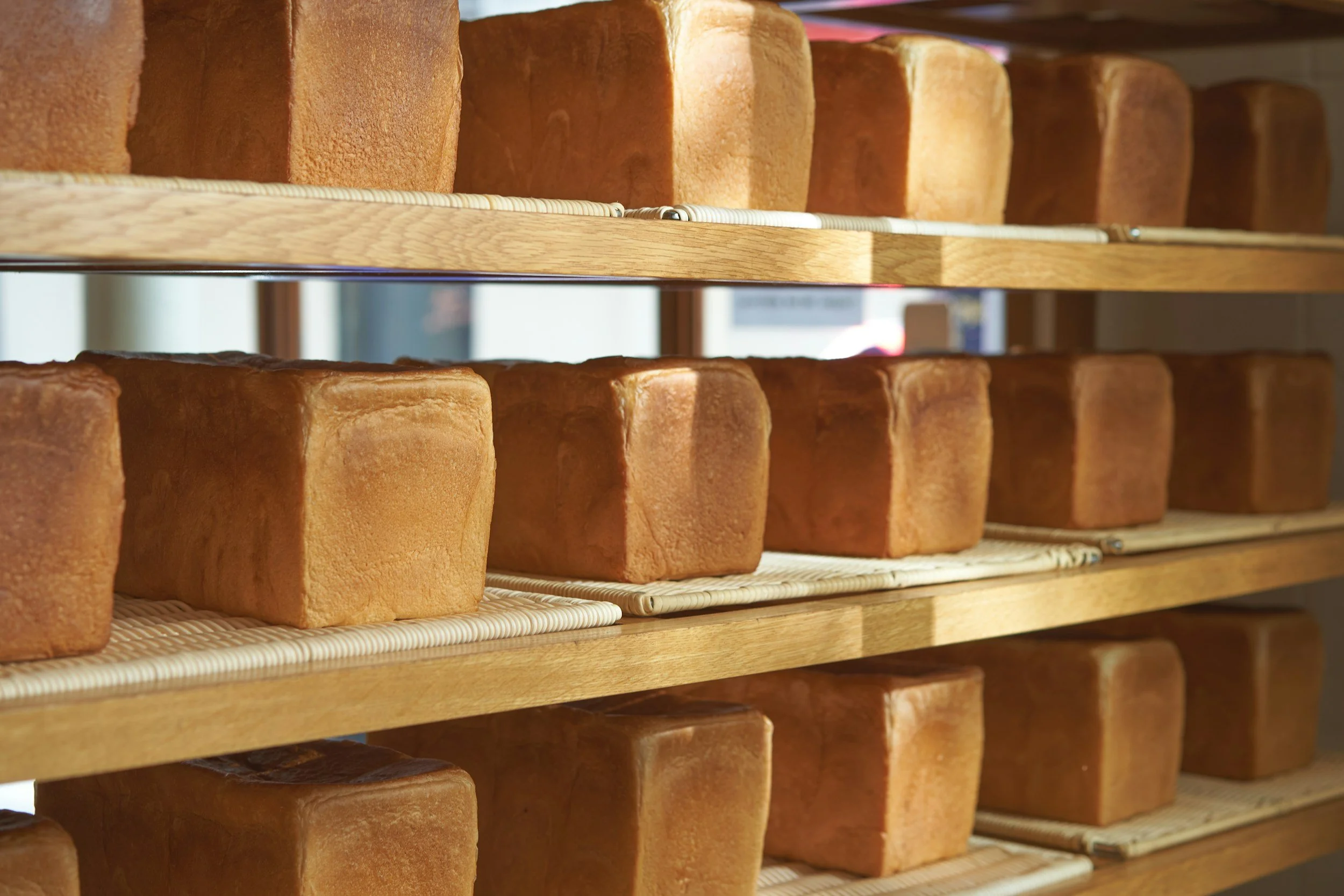
Factory-made bread
Modern bread made in factories using intense, high-speed mechanical shearing and chemical oxidisers force gluten development in under 5 minutes. After a 5-minute rest, loaves are cut and the shaped dough pieces travel through a hyper-heated, highly humid automated proofing chamber to force the commercial yeast to pump out gas rapidly. Then the loaves are baked. This process results in the perfectly fluffy loaves we all know from supermarkets in approximately 1 hour and 15 minutes. It’s a genuine marvel of efficiency.
Unfortunately, speeding through the process doesn’t allow the wild yeasts and beneficial bacteria enough time to do the hard work of pre-digestion. By focusing on quantity and texture, factory bread leaves tough gluten chains, complex starches, and mineral-locking phytic acids completely intact. The machine develops the structure, but your stomach is left to do the heavy processing.
Let’s talk about gluten
Ah gluten - a complex protein notoriously difficult for the human gut to digest. Often cast as a food baddie when really it just needs a bit of extra attention.
In contrast to factory-made bread, slow-fermented bread has time enough to build up a concentration of wild lactic acid bacteria. These beneficial bacteria produces proteases (protein-breaking enzymes). These enzymes break down complex gluten proteins - something your gut isn’t very good at.
When large gluten chains arrive in your lower digestive tract intact, your gut bacteria are forced to ferment them, creating the trapped gases that cause bloating. By giving the unbaked bread dough time to ferment, all of that breaking down of gluten chains happens before the bread ever makes it to your insides. Your body is spared that internal gas production which means less bloating and discomfort.
Wheat sourdough is not safe for people with coeliac disease regardless of how long it has fermented. However, if bread causes you general discomfort in your gut, slow-fermented bread with all of its enzyme goodness is worth a try.
The nutritional benefits of slow-fermented sourdough
Not all wheat bread is created equal. What most bread is missing is the time it takes for chemical reactions to take place, one after the other, to get the most benefit nutritionally.
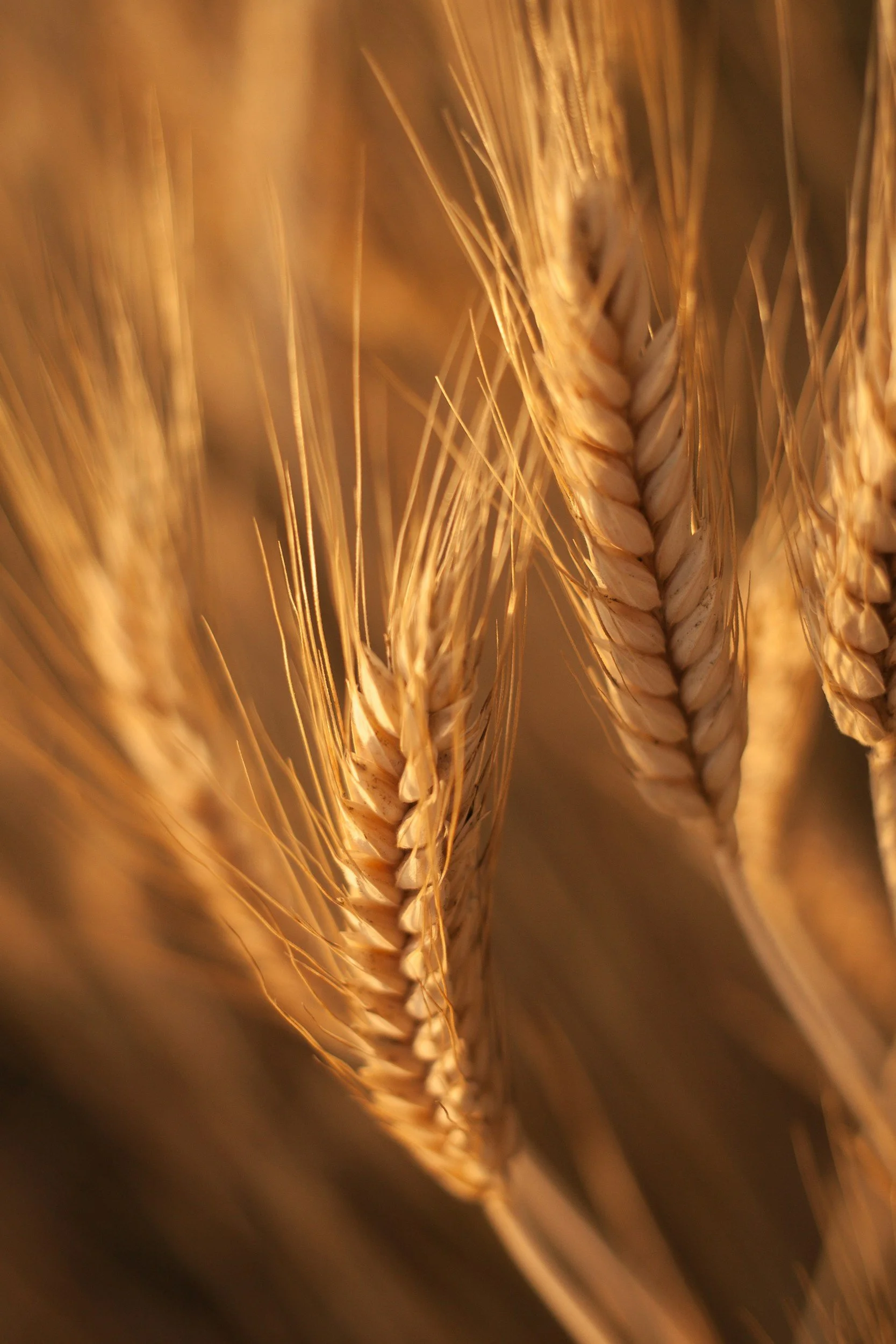
Wheat grains contain a bundle of essential vitamins and minerals:
The Energy Boosters (B-Vitamins):Thiamine (B1), Niacin (B3), andFolate (B9). These are the master keys your metabolism needs to unlock the energy trapped inside carbohydrates.
The Defend & Repair Trio:Zinc supports your immune defense, Magnesium regulates muscle and nerve health, and Iron powers oxygen transport in your blood.
Cellular Protection (Antioxidants): Selenium is the literal raw material your body uses to construct immune cells and regulate your thyroid, while Vitamin E physically keeps your cell walls from breaking down under pressure.
These nutritional superheroes are present in all raw wheat. The trick is in how that wheat is processed to enable your body to absorb those nutrients. Another thing that’s present in wheat is phytic acid which keeps minerals tightly locked in complex molecules, unable to be absorbed during the digestion process.
Fermentation is the process of wild yeasts and beneficial bacteria consuming natural sugars and starches, and producing lactic acid and acetic acid. These acids activate an enzyme called phytase. In turn, the phytase breaks down the phytic acid, which means the "lock" on the minerals is gone, making them fully bioavailable for your body to absorb. This process takes time.
Because Kapiti Delicious Doughs sourdough bread is slow-fermented, all of those chemical reactions have time to occur. The vitamins and minerals are able to be absorbed by your body during normal digestion. So you’re not just eating wheat bread, you’re eating super wheat bread.
Further reading…
At Kapiti Delicious Doughs, I back my baking and explaining with legit food science. If you love geeking out over fermentation as much as I do (in the immortal words of Captain America "I could do this all day!"), explore the peer-reviewed research behind the process and the health claims. You don’t need to just take my word for it.
Mineral Absorption: Lopez, H. W., et al. Making bread with sourdough improves mineral bioavailability. The Journal of Nutrition.
Nutrient Unlocking: Impact of sourdough fermentation on nutrient transformations. Food Chemistry Advances.
Gluten & Bloating: Sourdough Fermentation and Gluten Reduction: A Biotechnological Approach. MDPI Food Science.
Gut Digestibility: Fermentation in breadmaking: enhancing digestibility and nutrient bioaccessibility. Frontiers in Nutrition.
Factory Processing: Chorleywood Bread Process: Why NZ Bread Has Additives. Organic Food Together NZ.
Industrial Baking History: Chorleywood: The bread that changed Britain. BBC News.